

Practical Steps to Help You Embrace Change with Confidence
Introduction:
Change is inevitable. Whether it’s in our personal lives, careers, relationships, or health, change is one of the few constants we can count on. But let’s be honest: change can be hard. When it’s gradual, we may not even notice it. However, when it’s sudden or significant, it can feel overwhelming, even paralyzing. The key to thriving in life is learning to handle change effectively, no matter how tough it feels.
This guide is designed to help you do just that. Through nine practical and proven tips, you’ll learn how to not only survive change but embrace it with confidence. And by the end of this guide, you’ll have actionable steps that you can implement right away to make your next big life change just a little bit easier.
Why Is Change So Difficult?
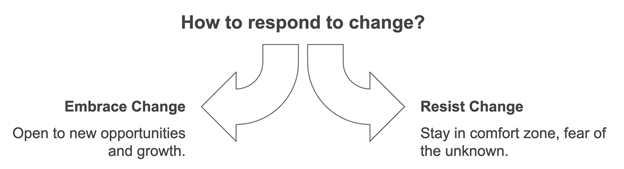
Before we dive into the tips, it’s important to understand why change can feel so challenging. The human brain is wired to seek comfort and familiarity. When things stay the same, we feel secure. Change, on the other hand, introduces uncertainty, which triggers fear and anxiety. This is why even positive changes, like a new job or moving to a better neighborhood, can still cause stress.
But here’s the good news: just because change is uncomfortable doesn’t mean it has to be unbearable. By learning how to manage your mindset and emotions, you can train yourself to see change as an opportunity rather than a threat. This mindset shift is crucial for navigating life’s transitions with grace and confidence.
9 Tips for Embracing Change:
1. Make Change Normal
Change isn’t a rare event—it happens all the time, whether we realize it or not. From small daily changes like adjusting our schedules to major life events like moving or changing jobs, change is a constant. The more you can make peace with change, the easier it will be to manage when larger, more difficult changes come along. One way to start embracing change is by deliberately seeking out small, manageable changes in your routine. This could be as simple as trying a new hobby, taking a different route to work, or learning a new skill. By making small changes a regular part of your life, your mind will be better equipped to handle the bigger changes when they come.
2. Not Changing Is Just as Hard
Often, we resist change because we think staying the same is easier. But ask yourself this: Is staying in your comfort zone really that comfortable? Sometimes, avoiding change leads to stagnation, frustration, or even unhappiness. Change can be hard, but so is staying stuck in a situation that no longer serves you. Next time you’re tempted to avoid making a change, take a moment to think about the consequences of not changing. Would your life improve? Would your happiness increase? This mental shift can be just the push you need to take action.
3. Bring a Friend Along
Change doesn’t have to be a solo journey. In fact, one of the best ways to make change more manageable is by enlisting the support of a friend or group of friends. Whether you’re trying to lose weight, build a new habit, or tackle a major life transition, having someone by your side can make all the difference. This support system not only holds you accountable but also makes the process more enjoyable. Plus, when you bring others along on your journey, you can celebrate each other’s successes and learn from each other’s setbacks.
4. Focus on What You Can Control
One of the reasons change feels so overwhelming is because we often focus on the things we can’t control. When facing a significant life change, it’s important to take a step back and assess the situation. Identify what’s within your control and what’s outside of it. For example, if you’re dealing with a job loss, you may not be able to control the company’s decision to downsize, but you can control how you react, the job applications you send out, and how you spend your time during the transition. By focusing on the things you can control, you conserve energy and feel more empowered to take positive action.
5. Keep a Journal
Writing can be a powerful tool for managing change. Keeping a journal allows you to process your emotions and thoughts in a safe, private space. When you write about your fears and anxieties, you may find that they lose some of their power. Additionally, journalling can help you track your progress over time. When you look back at your entries, you’ll notice how far you’ve come, even if it doesn’t feel that way day-to-day. Make it a habit to journal about the changes you’re experiencing, how you’re feeling about them, and what steps you’re taking to adapt.
6. Trust Yourself
Many people struggle with change because they don’t believe in their ability to handle it. They may think they’re not strong enough, capable enough, or resilient enough to navigate a significant life transition. If this sounds like you, it’s time to start building self-trust. Remind yourself of past changes you’ve successfully navigated, even if they were difficult at the time. Recognize your strengths, resilience, and resourcefulness. The more you believe in your ability to handle change, the more confident you’ll feel when new challenges arise.
7. Take Care of Your Basic Needs
During times of change, it’s easy to let self-care fall by the wayside. You might be so focused on navigating the transition that you forget to eat well, exercise, or get enough sleep. But neglecting your basic needs only makes it harder to cope with change. Make it a priority to take care of yourself, even during life’s busiest and most stressful moments. A healthy body supports a healthy mind, and when you’re physically well, you’ll be better equipped to handle whatever life throws your way.
8. Make a Plan
Change can feel overwhelming when you don’t know what to expect. That’s why it’s helpful to create a plan for how you’ll navigate the transition. Whether it’s a career change, a move, or a shift in your personal life, having a roadmap can reduce anxiety and make the process feel more manageable. Break down the change into smaller, actionable steps, and set realistic goals for each stage. Not only will this make the change seem less daunting, but it will also give you a sense of control over the process.
9. Failure Isn’t the End
One of the biggest fears people have about change is the fear of failure. But here’s the thing: failure is not the end. In fact, it’s a natural part of the change process. Every failure provides valuable lessons that help you grow and adapt. Instead of seeing failure as a dead-end, view it as an opportunity to try again with more knowledge and experience. When you change your relationship with failure, you’ll become more willing to take risks and embrace change with an open mind.
Actionable Steps to Implement Today:
Now that you’ve learned these nine tips, it’s time to put them into action. Here are three simple but powerful steps you can take today to start embracing change in your life:

1. Define the Change.
Take a moment to clearly identify the specific change you’re trying to make. Is it related to your health, career, relationships, or personal growth? Write down exactly what it is and why it feels challenging. The clearer you are about the change, the easier it will be to develop a plan to tackle it.
2. Why Do You Want to Change?
Next, list all the positive outcomes this change will bring into your life. Will it make you happier, healthier, or more fulfilled? Visualize how your life will improve once you embrace the change. This exercise will help you stay motivated when the going gets tough.
3. What if You Don’t Change?
Now, think about the consequences of staying the same. What will happen if you don’t take action? How will it affect your happiness, well-being, or success? Write down the potential negative effects of not changing. Sometimes, the fear of staying stuck is greater than the fear of change.
Conclusion:
Change is never easy, but it’s always an opportunity for growth. By following these nine tips, you’ll be better equipped to handle even the toughest transitions life throws your way. Remember, change doesn’t happen overnight. It’s a process, and the more you practice embracing change, the easier it will become. So, don’t wait—start taking action today and unlock the doors to a more fulfilling future.
[Picture – Richard Felix – unsplash]
No responses yet